14,000 tickets in one hour: why a custom ticket shop makes a difference
When Bontgenoten Festival opened their ticket sales, more than 10,000 people were immediately in the queue at the same time. Within an hour, all 14,000 tickets were gone. This is the result of a strong brand and an engaged community, as well as a buying process that was redesigned from start to finish this year.

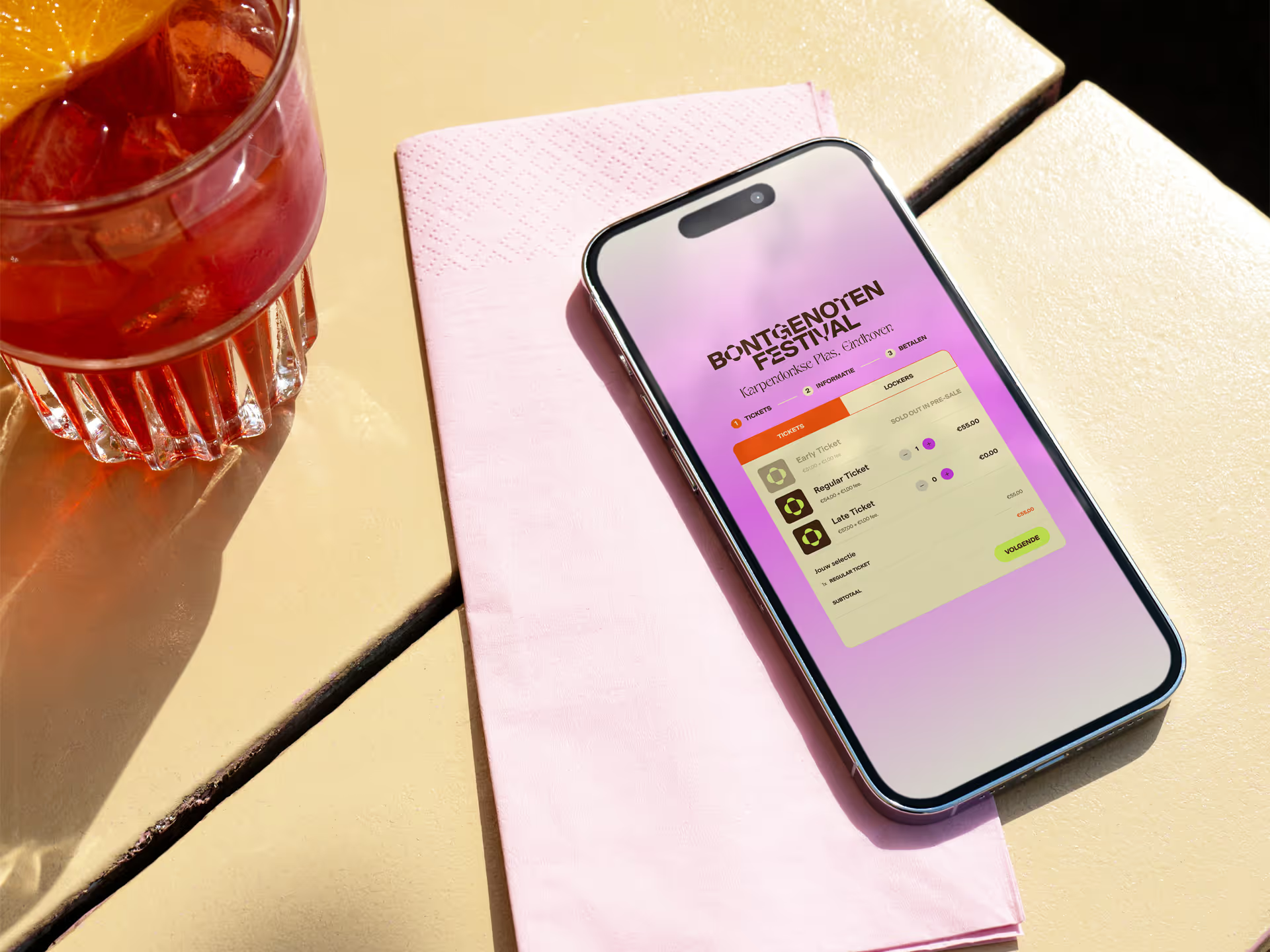
At many festivals, ticketing is approached from an operational point of view. The system must be stable, payments must be correct, the queue must last. That foundation goes without saying, but it says nothing about what the buying experience feels like.
The ticket shop is the moment when marketing effort is converted into turnover. Here, a visitor takes the step from interest to purchase. It is precisely at that moment that trust, clarity and consistency are decisive. And any form of friction or brand breakage can affect the decision to go ahead.
A standard ticket shop is functional, but the structure and presentation are largely fixed. Commercial optimization is often secondary to technical simplicity, and the buying experience therefore seldom feels like part of the festival itself.
One continuous flow
For Bontgenoten, together with Weeztix, we have created the entire commercial front of the ticket shop custom built. Includes all steps a visitor takes after the first page.
The latter is new. In previous versions of our custom shop, the overview page was built entirely in the festival's corporate identity, but as soon as someone actually wanted to buy, a Weeztix widget popped up at the bottom right of the screen. You had to scroll through the ticket overview again, fill in your details, and choose your payment method. This time in the standard Weeztix environment. Functionally, it worked. But these were two separate experiences in a row.
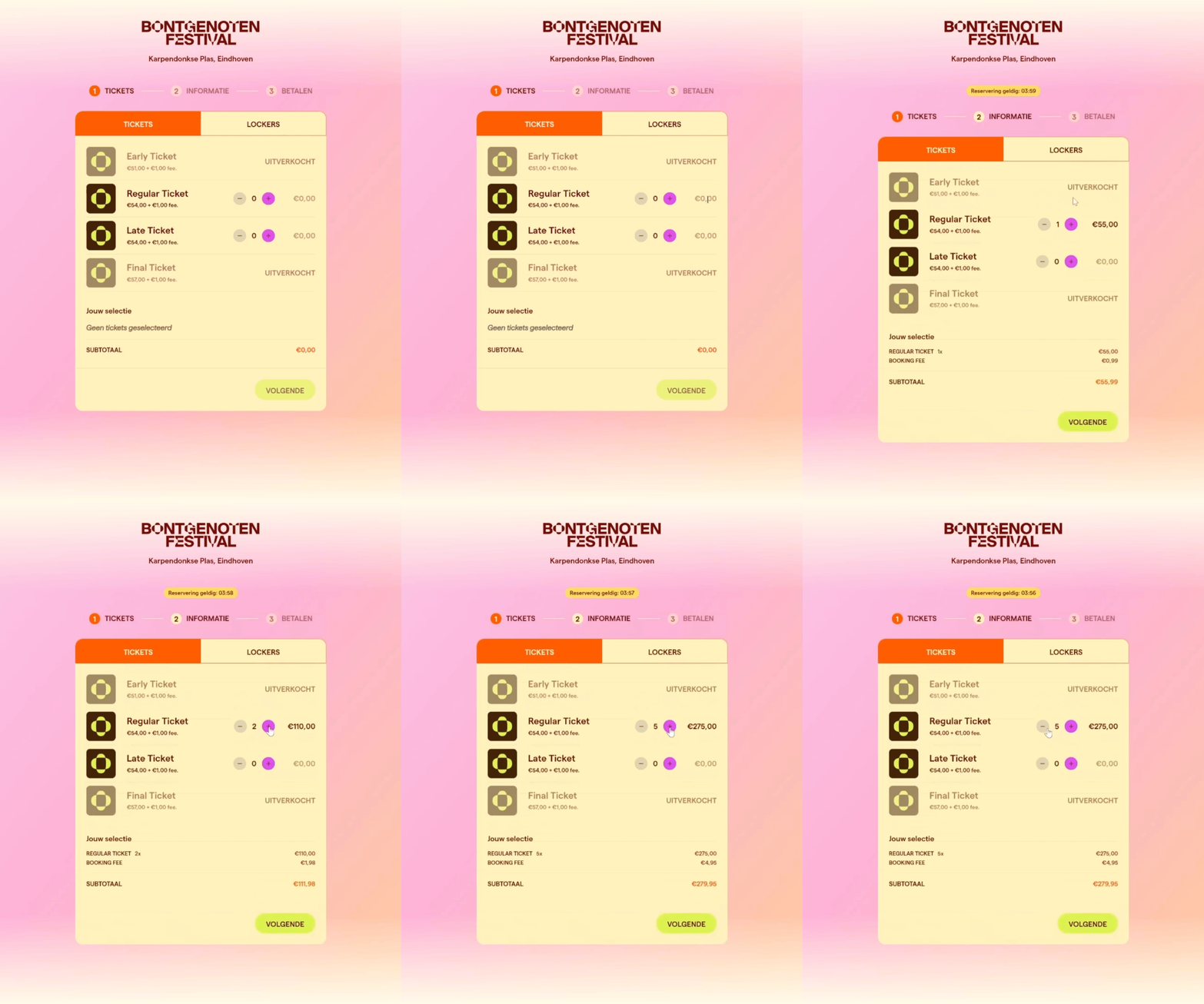
We removed hat widget this year. Ticket selection, data, add-ons, payment: everything now takes place within the same custom environment.
The operational side has not been touched. Queue, payment processing, ticket management and access control remain entirely in Weeztix (including the queue that provides stability at peak load). The separation between commercial front end and operational rear end creates flexibility without additional risk. For the festival team, nothing changes operationally: all tickets are simply managed from the Weeztix dashboard, including ticket management, support and access control.
Kylie from Bontgenoten:
“For us, the festival feeling starts with the first click during ticket sales; it's not just a technical process, but the time when marketing becomes profitable. It is precisely in those first minutes, which often determine the sentiment of the entire edition, that you build trust in details. That's why we deliberately chose to be one of the first festivals to design the entire experience ourselves, fully in line with our brand and with trust and consistency as a priority.”
More control = more conversion
Brand experience that lasts until payment. Without the widget, there is no longer a visual break between the website and the checkout process. Typography, use of color, atmosphere and tone of voice remain the same until the confirmation page. That sounds like an aesthetic choice, but it also has a functional effect: consistency reduces doubt, and doubt is the last thing you want at the time of purchase.
Information at the right time. In a standard flow, you'll see a list of ticket options. In a custom flow, you can choose to add context exactly where a visitor needs it. What does a camping upgrade include? What do you get with a VIP ticket? That kind of explanation doesn't have to be in a separate FAQ. It can become part of the step itself, actively removing uncertainty.
Upsell as a complete step. Deep upsell integration is not possible with a widget. Well, now. For Bontgenoten, a separate step has been built for lockers, positioned between ticket selection and checkout, in the same layout as the rest of the shop. For example, it is a logical part of the purchase process, and not a separate addition.
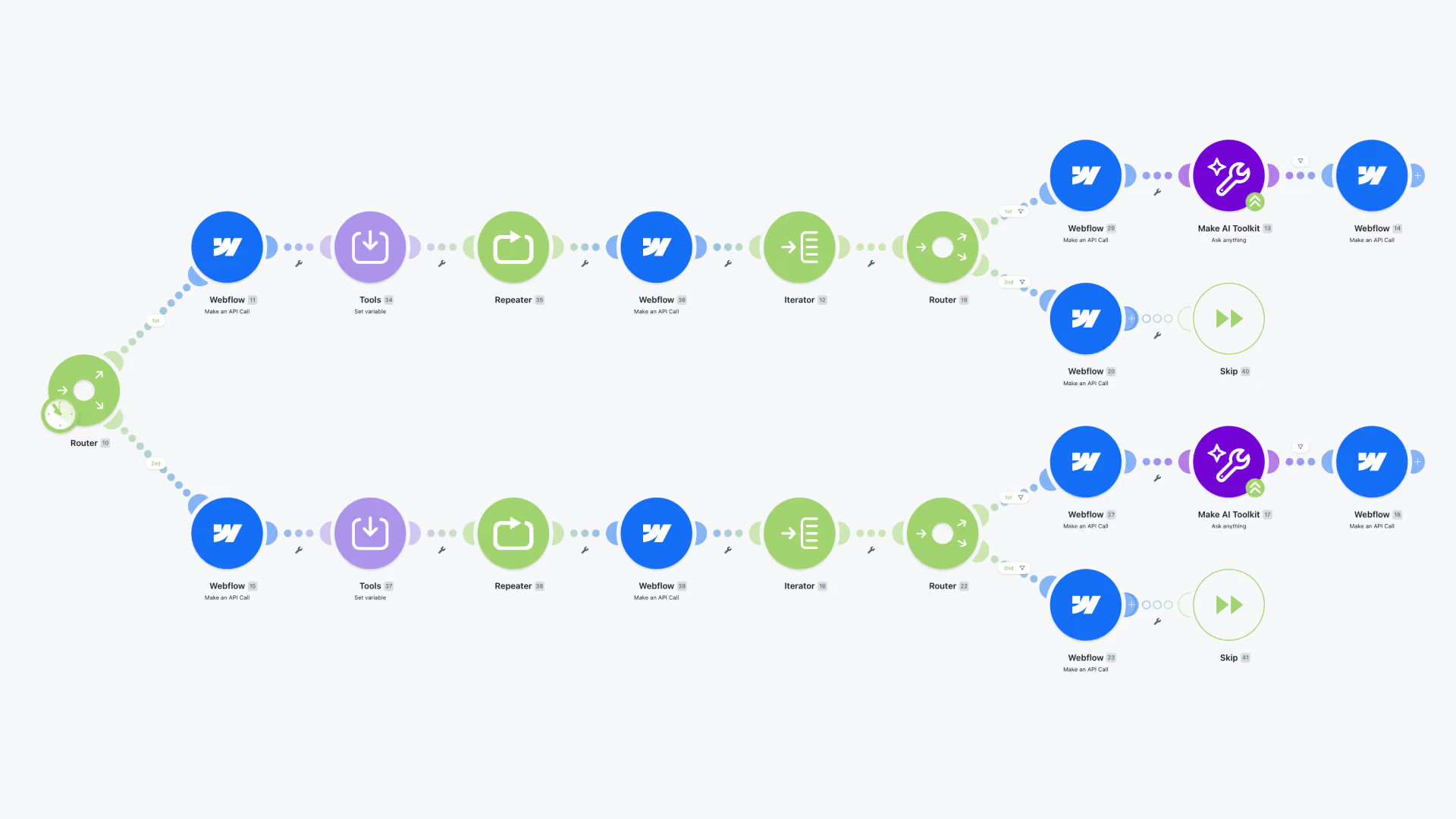
Proprietary tracking. Because the entire flow runs on your own domain, it is possible to specifically measure where visitors drop out, which add-ons are working and which steps cause doubt. With a standard widget, you depend on what the platform lets you measure. Now you decide what is measured, and those insights can be directly applied to the next edition.

Peak load
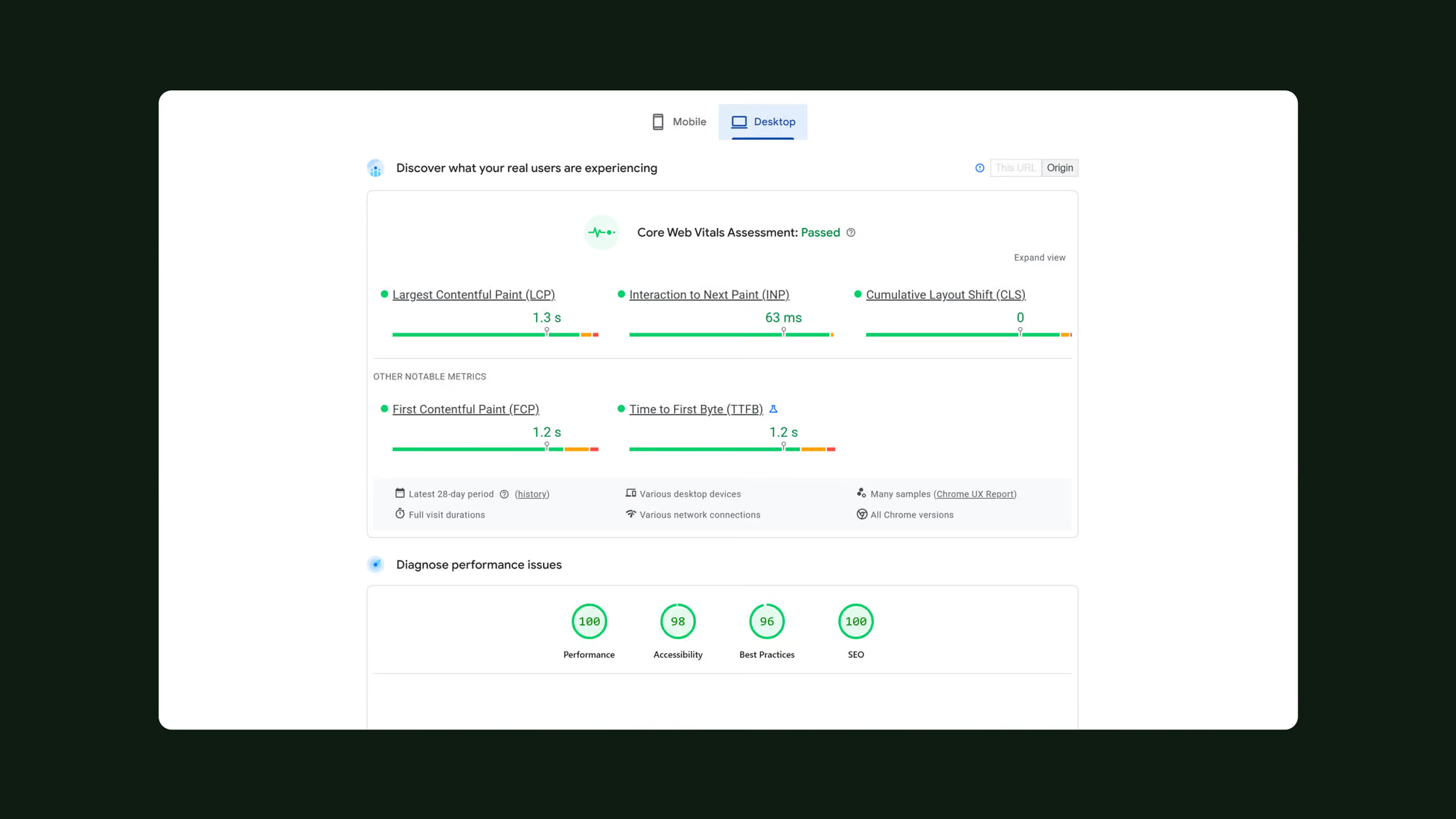
During the start of sales at Bontgenoten, more than 10,000 visitors immediately came in at the same time. The Weeztix queue ensured technical stability. The custom front end kept the brand experience intact. The two are completely independent of each other. What exactly is the intention.
According to Thomas van Weeztix, this is part of a wider development in the event market:
“We're seeing that organizers increasingly want full control over their front-end experience while maintaining the stability of our platform. Taking conversion results into account, this combination makes ticketing more flexible than ever.”
A custom ticket shop is not a cosmetic choice. It's a decision about how to set up the most important conversion moment in your season. For Bontgenoten, this was the first time this year that the entire flow (from first click to payment) could be designed as a whole. It shows what is possible if you treat the ticket shop not as a technical block, but as part of the festival itself.
Further reading

Check it out